Paint brush marks: how to get a smoother finish on small touch-ups
Fix paint brush marks on walls, trim and doors. Learn when to stop brushing, how to smooth dried ridges, and how to match the texture and sheen around them.
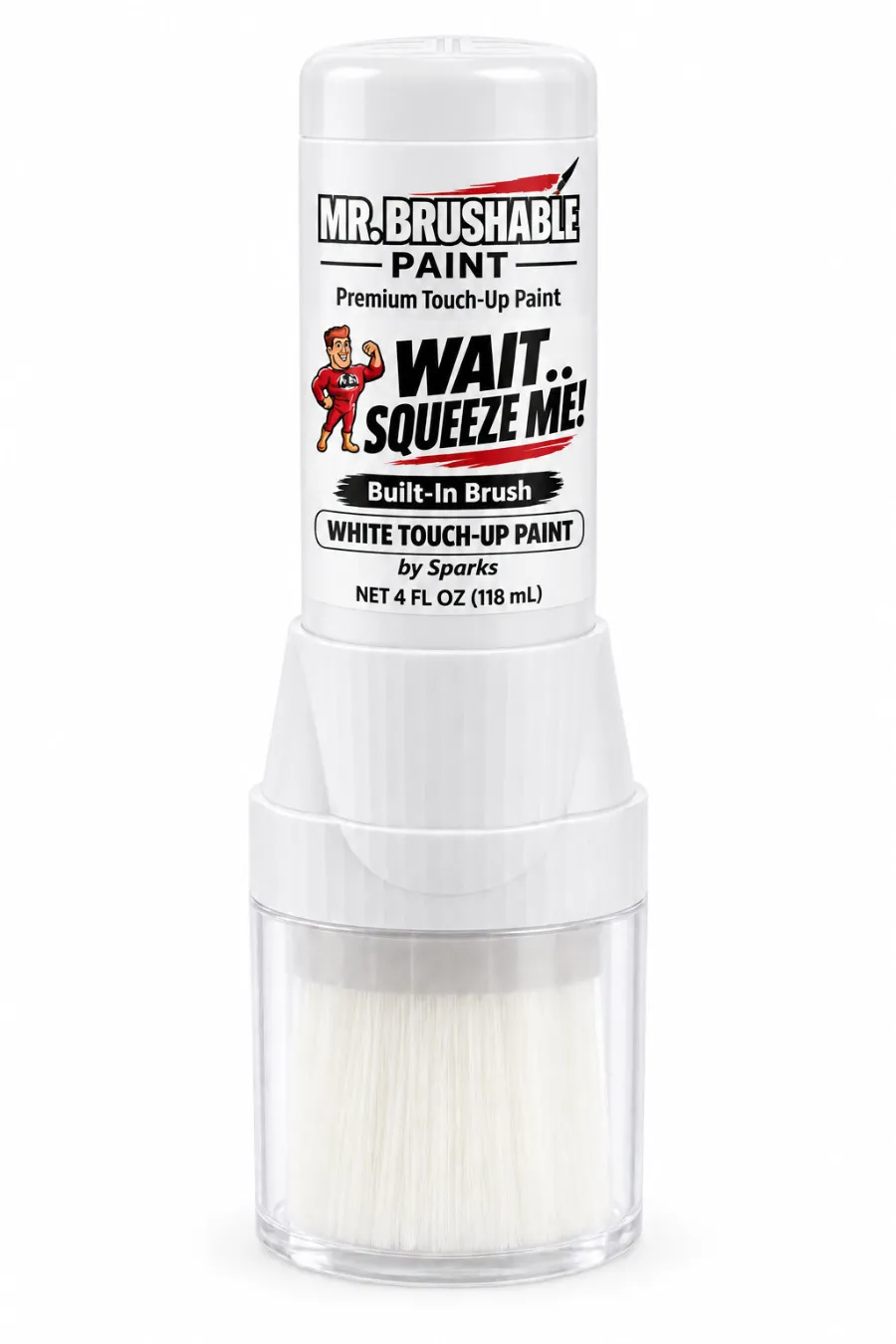
Paint brush marks showing on your touch-up? The fix depends on whether the paint is still wet or has already dried into ridges. Stop brushing paint that has started to set. If it has dried, let it harden, smooth the ridges, then repaint. Adding more paint over dried ridges usually just keeps the same lines. For small touch-ups, figure out what you're actually seeing before you make the patch bigger.
Shop this bottle →
Identify what the paint brush marks actually show
- Parallel raised lines: smooth the dried paint before recoating.
- A smooth patch among tiny bumps: match the original roller texture.
- A flat patch that looks shinier: match the sheen instead of sanding away sound paint.
Stop working paint that has begun to set
Brushing over and over, pressing too hard, running the brush nearly dry, or paint drying too fast can all leave strokes behind. Don't try to stretch the last bit of paint across the repair. Once the paint starts to set, every extra pass becomes part of the problem.
Before reaching for more paint, ask yourself: am I spreading fresh paint, or trying to rescue a patch that's half dry? If it's half dry, stop and let it dry. Follow the paint's drying and recoat directions instead of guessing a number of minutes, and plan the next try so you can finish the small area without going back over it.
Smooth dried paint brush marks before recoating
Safety first:
For paint that's safe to sand:
- Let the paint dry completely. Don't sand paint that's still soft.
- Smooth the raised strokes. Use a fine abrasive meant for smoothing painted surfaces and check the paint's prep directions. Use light pressure and short passes. Stop often to look from the side and feel the surface. Stop when the ridges are level with the paint around them. The goal is an even surface, not stripping the finish.
- Prep for repainting. Remove the sanding dust from the repair and its edges. Make sure the area is clean and dry, and prime any bare spots.
- Recoat with the right applicator. Follow the paint's directions and let each coat dry completely.
Another coat comes after smoothing, not instead of it. Keep the repair focused: decide which ridge you're removing and which finish you're keeping, then check that same spot again instead of spreading the work across a whole panel.
Match the wall texture or follow the trim
Mr. Brushable™ makes touch-up paint with the brush or roller built right into the bottle, so small repairs go straight from the bottle with no separate brush or tray. Pick the one that fits the surface:
-
Trim, door edges, cabinet corners:
use the built-in brush bottle. Squeeze until the bristles are damp, spread that paint with light strokes, then add more only if needed. Don't treat the bottle like a dispenser that has to keep flowing on every stroke. -
The flat part of a wall:
use the built-in roller bottle. Keep the rolling pattern regular and finish the small area evenly. Don't keep changing direction and pressure while chasing individual lines.
Check the finish before enlarging the repair
After the paint dries, go back to the three checks: surface height, texture and sheen. If the ridges are gone but the patch still catches the light, look at the surrounding finish before adding another coat. Matching the color and matching the sheen are two different things. A glossy touch-up on a flat wall can still show even when the color looks right.
Make a quick note of which applicator you used, where you stopped and what changed after drying, and compare the same spot in the same light. Try one scuff first instead of every mark in the room. If the texture blends but the sheen doesn't, changing your brushing won't help. If the sheen matches but you still see lines, go back to prep or switch applicators. Change one thing at a time.
Frequently asked questions
Can I add water to prevent paint brush marks?
Don't guess at a mix. Whether you can thin paint, and with what, depends on the paint. Follow the manufacturer's directions.
Does a roller always leave a completely smooth finish?
No. Rollers leave a slight texture, which is usually what you want when matching a rolled wall. Pick the roller for the paint and surface instead of assuming any roller will erase brush texture.
Should I fill a nail hole with touch-up paint?
Ready for a smoother touch-up? Shop the built-in brush bottle →
Mr. Brushable™ was invented in Raleigh, North Carolina by David Sparks. The bottle is the brush. Patent pending.
Squeeze. Brush. Done.
Touch-up paint with the brush built into the bottle, from $8.99. Free U.S. shipping on orders $25+.